
Top 10 Web Design Trends 2026 Every UAE Business Should Know


The web design trends 2026 that matter most are AI-assisted design, immersive 3D visuals, hyper-personalization, and accessibility-first experiences. For businesses in Dubai and across the UAE, adopting these trends is now a commercial decision, not a cosmetic one: your website is often the first — and sometimes the only — touchpoint a customer judges you by. In a market as competitive as the UAE, where government platforms and enterprise brands have raised the bar for digital experience, an outdated website quietly costs you leads every single day.
This guide breaks down the top 10 web design trends for 2026, the future trends already emerging beyond them, and — crucially — what each one actually means for UAE businesses, from e-commerce stores to small companies and enterprise brands.
Why Following Web Design Trends Matters in 2026
Staying current with the latest web design trends is not about chasing aesthetics; it is about meeting consumer expectations and building lasting trust with your customers.
Consumer expectations are higher than ever. Today’s users are tech-savvy, impatient, and quick to form judgements. A poorly designed or outdated website can drive them to competitors within seconds — and in the UAE, where most browsing happens on mobile and users are accustomed to polished experiences from banks, government services, and global brands, that judgement is even faster.
Your website is what your brand should reflect. Modern website designs signal professionalism, innovation, and credibility; in contrast, a neglected design can undermine trust and make even strong businesses appear less reliable.
Web design trends also have a direct impact on conversion. In industries like e-commerce and small business web design, personalization, accessibility, and intuitive navigation have become essential. These elements can make the difference between a visitor bouncing and becoming a loyal customer.
Finally, future-readiness pays off. By embracing the latest website design trends, businesses stay adaptable, reduce the need for frequent redesigns, and maximize long-term ROI. Companies that ignore modern web practices risk falling behind in a competitive digital landscape.
What Are the Top Web Design Trends for 2026?
Here are the ten trends we see shaping modern websites this year — each with a practical note on how UAE businesses can put it to work.
1. Micro-Interactions & Motion Design
Micro-interactions like animated buttons, hover effects, or loading animations enhance user engagement by adding subtle feedback cues. Motion design keeps websites lively without overwhelming visitors. For small businesses and e-commerce, these touches improve customer experience, reduce bounce rates, and build brand personality.
Integrate hover effects on buttons, animated loading indicators, and scroll-triggered animations. For e-commerce, use motion design to highlight “add-to-cart” actions or display subtle movements when users explore products.
What this means for UAE businesses: motion should feel premium, not gimmicky. UAE audiences are used to highly polished digital products, so restrained, purposeful animation signals quality — heavy effects that slow load times on mobile do the opposite.
2. 3D Visuals & Depth
Flat design is giving way to layered, 3D-inspired visuals. Shadows, gradients, and immersive elements create a sense of depth. For luxury brands or service providers in the UAE, 3D visuals elevate brand perception and help products or services stand out.
Using WebGL and modern front-end frameworks to showcase products in 3D, or creating layered hero sections with depth, can transform website aesthetics. E-commerce stores can let customers rotate products or explore them in immersive 360-degree views.
What this means for UAE businesses: sectors like real estate, automotive, hospitality, and luxury retail — all strong in Dubai — benefit most from 3D product and property visualization, where the “see it before you buy it” experience directly supports high-value purchase decisions.
3. Bold & Expressive Typography
Oversized fonts, layered typefaces, and experimental typography are becoming focal design elements. Typography directly communicates brand personality: bold fonts help businesses appear modern, confident, and approachable.
Use large-scale fonts for headlines, pair expressive display fonts with clean body text, and experiment with animated kinetic typography — while protecting readability.
What this means for UAE businesses: if your audience is bilingual, typography decisions double. Arabic and English typefaces need to be paired deliberately so both scripts carry the same brand personality and hierarchy across the site.
4. Organic / Nature-Inspired Design
From earthy palettes to fluid shapes, organic design adds a human, approachable touch to digital platforms. In sectors like hospitality or wellness, this approach creates resonance and balances the high-tech feel of contemporary websites.
Earthy tones, curved shapes, gradients inspired by nature, and subtle background textures can soften a design. For wellness and eco-focused businesses, combine organic visuals with storytelling that aligns with your brand values.
What this means for UAE businesses: hospitality, wellness, and F&B brands in the Emirates can use organic design to stand apart from the glass-and-steel corporate aesthetic that dominates many local industries.
5. Sustainability & Eco-Conscious Design
Green hosting, optimized code, and minimalist visuals are part of the shift towards sustainable web design. Businesses in Dubai can align with the UAE’s sustainability goals while appealing to eco-conscious consumers worldwide.
Opt for lightweight coding frameworks, compressed images, and energy-efficient hosting. Highlight sustainability credentials with green-themed visuals, carbon-neutral branding, or interactive infographics showing eco-initiatives.
What this means for UAE businesses: sustainability is a national agenda in the UAE, and demonstrating it credibly on your website — through performance-optimized builds, not just green imagery — resonates with both regulators and increasingly conscious consumers.
6. Inclusive & Accessible Design
Accessibility is no longer optional. Designing for colour-blind users, screen readers, and diverse abilities makes your site inclusive, expands your audience, improves SEO, and reflects your brand’s commitment to inclusivity.
Ensure colour contrast ratios meet accessibility standards, add alt text for images, integrate keyboard navigation, and enable screen-reader compatibility. Offer personalization options like adjustable font sizes and theme toggles.
What this means for UAE businesses: the UAE serves one of the world’s most diverse populations, and government digital standards increasingly emphasise accessibility. Building to WCAG standards now protects you from a costly retrofit later — particularly if you work with government or enterprise clients.
7. Experimental Navigation & Layouts
Creative navigation — scroll-triggered menus, radial navigation, split screens, storytelling layouts — is transforming the user journey. Businesses can surprise and delight users, provided usability remains at the forefront.
Asymmetrical and layered grids can create a unique path for users, as long as intuitive usability is preserved. If a first-time visitor cannot find your contact page in seconds, the experiment has failed.
What this means for UAE businesses: experimental layouts work well for brand and campaign sites, but conversion-critical pages — pricing, contact, product listings — should stay conventional. UAE buyers researching services expect to find WhatsApp, call, and enquiry options instantly.
8. Dark Mode & Theme Toggles
Dark mode remains firmly in trend, and theme toggles let users personalize their browsing experience. That sense of control improves user satisfaction and keeps your brand aligned with global tech standards.
Provide light/dark toggle options, optimize colours for readability in both modes, and design with accessibility in mind so brand colours remain legible in each theme.
What this means for UAE businesses: with heavy evening mobile usage in the region, dark mode is genuinely used — not just a novelty. Test both themes on real devices before launch.
9. AI in Web Design / AI-Assisted Design
Artificial intelligence is transforming the web design process, from automated layouts to AI-powered personalization. AI in web design helps businesses deliver customized experiences while reducing design and development costs.
AI-driven tools for automated layouts, heatmap-based UX optimization, and personalization engines that adapt content based on visitor behaviour can significantly lift engagement. AI chatbots and predictive search improve conversion rates.
For an example of modern trends applied in practice, Element8 worked on Terralogix with advanced design and AI-powered features that are already adding value:
- Modular Layouts: a modular layout system enables easy content management and adaptability across pages.
- Rich Visual Content: high-quality imagery and brochure downloads improved user engagement and conveyed professionalism.
- Lead-Capture Optimization: strategically placed forms prioritize conversions and support marketing goals.
- Dynamic Personalization: AI-driven content blocks display the most relevant information for different user profiles.
- AI-Powered Image Optimization: faster loading times and improved performance across devices and network conditions.
- Predictive Content & Assistance: AI-assisted chat and visual assistants guide users efficiently throughout the site.
- Responsive Navigation: a smoother, intuitive user journey across desktop, tablet, and mobile devices.
Implement AI into your web design with ease and expertise with Element8 and transform your digital presence.
10. Hyper-Personalization
Users are no longer settling for one-size-fits-all digital experiences. They expect websites to adapt to their preferences, behaviour, and requirements in real time. Hyper-personalization uses AI, data analytics, and automation to deliver unique user journeys.
How to incorporate it into web design:
- Dynamic content blocks: show different homepage banners, offers, or CTAs depending on whether the visitor is a first-time user, returning customer, or high-value client.
- Behaviour-based personalization: adjust product recommendations, blog suggestions, or highlighted services based on browsing patterns.
- Localized experiences: for UAE businesses, adapt to language preferences (Arabic/English), cultural moments like Ramadan and UAE National Day, and local events to make the experience genuinely relevant.
- E-commerce advantage: online stores can use hyper-personalization to suggest products, surface offers, and streamline checkout, which can meaningfully boost conversion.
To apply these trends in production, partner with a website design company in Dubai that focuses on conversions, not just visuals.
What These Web Design Trends Mean for UAE Businesses
Trends only matter if they translate into results in your market. For businesses in Dubai and the wider UAE, four practical realities shape how you should apply the trends above:
- Mobile-first is non-negotiable. The majority of UAE web traffic is mobile, so every trend — 3D, motion, personalization — must be performance-tested on smartphones first, not adapted to them later.
- Bilingual by design. English/Arabic experiences, including proper right-to-left layouts, should be planned at the design stage rather than bolted on. Typography, navigation, and content hierarchy all change with RTL.
- Trust signals carry extra weight. UAE consumers routinely check credibility markers — licences, physical presence, reviews, secure payment badges — before enquiring. Modern design should surface these, and data-handling practices should align with UAE data protection expectations under the PDPL.
- Instant contact converts. WhatsApp and click-to-call CTAs consistently outperform traditional forms in this market. Whatever design direction you choose, keep these one tap away.
Working with a specialist web design agency in Dubai that understands these local dynamics means trends get applied where they move metrics — not just where they look impressive.
Future Web Design Trends: 2027 & Beyond
As technology keeps evolving, the next wave of web design trends will focus on intelligent, adaptive, and inclusive digital experiences. Businesses that adopt these forward-thinking approaches will future-proof their online presence and set a higher benchmark for innovation.
AI as a Creative Partner
AI in web design is moving beyond automation into true collaboration. Instead of simply assisting with layouts, AI will co-create — suggesting design variations, generating visuals, and building personalized experiences in real time. This enables modern website design that adapts to each user’s behaviour, improving both engagement and conversion rates.
WebGPU-Powered 3D and Data Visualization
WebGPU has evolved beyond Chrome into a cross-browser standard, enabling richer, faster 3D graphics and real-time data visualization directly in the browser. For brands with 3D products or data-heavy interfaces, adopting WebGPU early elevates configurators and dashboards — though it should be used sparingly on marketing sites to protect performance and accessibility.
Generative UI Patterns
Generative AI is moving from creating mockups to building adaptive UI components that respond dynamically to user context — goals, copy length, even inventory changes. To preserve usability, designers should maintain predictable navigation and consistent affordances so users benefit from dynamic adaptability without becoming disoriented.
Adaptive / Alive Interfaces
The next generation of web design trends will be “alive,” shifting dynamically based on context. Imagine a university website that changes its visuals through the day to reflect campus activity, or an e-commerce store that adapts its design to browsing history. For small businesses and large enterprises alike, adaptive websites offer a deeper sense of personalization.
Immersive AR/VR Web Experiences
From virtual product trials to interactive showrooms, AR and VR are pushing digital storytelling to a new level. Businesses in retail, education, and real estate will use immersive experiences to let users explore spaces, test products, or interact with services before committing. E-commerce website designs can let customers “try before they buy,” which builds trust and reduces returns.
Minimalism 3.0 (Emotional Minimalism)
Minimalism is shifting to a warmer, more human-focused style. Bare, cold layouts are being replaced by tonal gradients, light texture, and emotional depth. “Emotional minimalism” keeps contemporary website design simple but engaging, balancing simplicity with brand personality.
Accessibility-First as Default
What was once best practice is becoming non-negotiable. Accessibility-first design will be the core foundation of future web design trends, ensuring websites cater to all users regardless of ability. Web design for universities is a clear example where an accessibility-first approach aligns with inclusivity goals and improves overall usability.
Designing for Neurodiversity
The future of inclusive web design lies in respecting cognitive diversity: reducing sensory overload, offering simplified content paths, and adapting to different learning and processing styles. Designing for neurodiversity helps businesses expand their reach, build trust, and connect with diverse audiences — especially relevant in a market as multicultural as the UAE.
How to Apply the Latest Web Design Trends to Your Business
Web Design for E-Commerce
- Dynamic product displays using 3D visuals.
- Micro-interactions for smoother checkouts.
- AI-driven personalization to increase conversions.
Web Design for Small Business
- Cost-efficient, scalable layouts that grow with your business.
- Accessible designs that attract wider audiences.
- Sustainable practices that align with the UAE’s eco-initiatives.
Practical tips:
- Audit your current website for outdated elements.
- Prioritize accessibility and performance.
- Invest in the trends that align with your industry and customer base — not all ten at once.
- Pair design updates with technical SEO so gains in experience translate into gains in visibility; a specialist SEO company in Dubai can align both.
Inside Our Process: From Concept to Conversion
At Element8, we translate the latest website design trends into functional, impactful business solutions. Our team combines creative and UI/UX design expertise with technical excellence to deliver:
- Scalable, future-ready platforms built on modern, composable architecture (e.g., WordPress + Next.js, headless CMS, clean CI/CD) that grow with your business.
- User-centric, high-performance interfaces engineered for Core Web Vitals and accessibility (WCAG 2.2) so sites load fast, feel modern, and convert.
- Tailored solutions for e-commerce and small business website design — from optimized product journeys and secure payments to local SEO, bilingual (EN/AR) experiences, and WhatsApp/click-to-call CTAs.
Whether you are integrating AI-driven personalization, experimenting with layouts, or ensuring accessibility, we customize each project to reflect your brand’s vision. A few examples of these trends in our work:
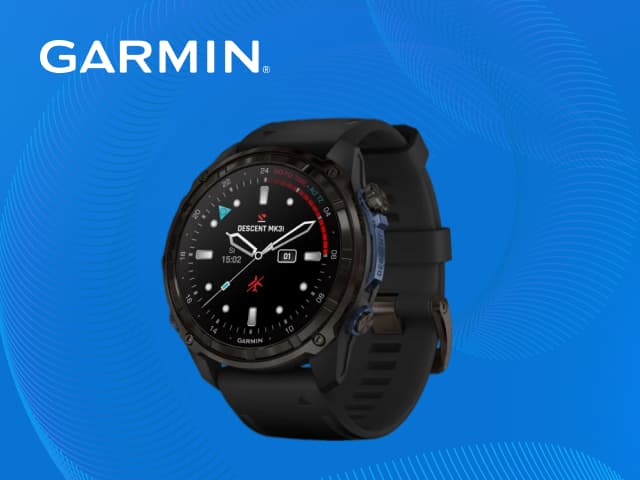
For Garmin, we overhauled a high-traffic e-commerce website with 3D-inspired UI/UX visuals, detailed model pages with comparisons, inclusive and accessible clean layouts, and performance optimization that improved page speed and reduced bounce rate.
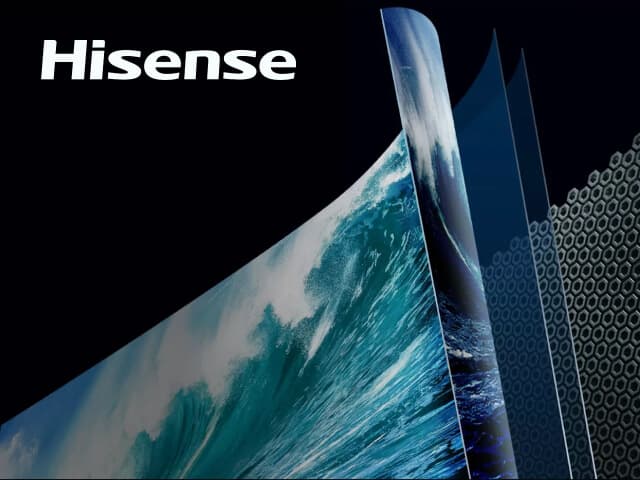
For Hisense, we combined bold, expressive UI visuals with experimental navigation and layout — unique filters, dynamic product discovery — and inclusive UX including easy search and multiple payment integrations, with AI-assisted creative testing to evaluate design options.
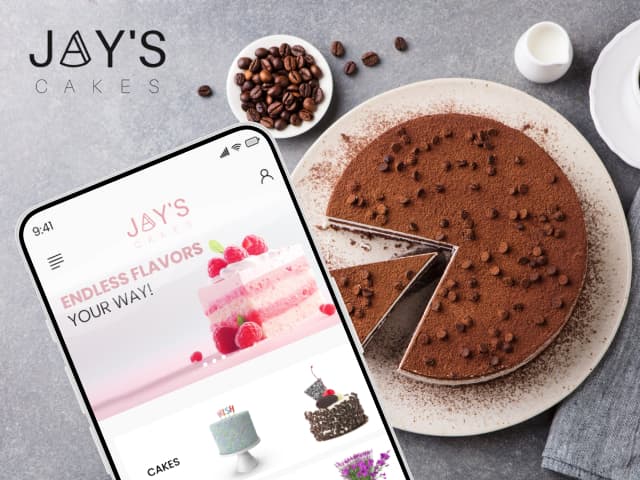
With Jay’s Cakes, Element8 designed a small business website with personalization, inclusive payment options, mobile optimization, accessible UX, a dark/light theme toggle, and organic design flourishes that complemented the brand’s artisanal essence.
Conclusion
The latest web design trends are not just about aesthetics; they are about meeting customer expectations, boosting performance, and aligning with the UAE’s innovation-driven market. From micro-interactions to AI-powered personalization, these modern website design approaches reshape how businesses connect with their customers.
To stay at the forefront, audit your website, adopt the trends that fit your industry, and invest in expert-driven execution. With Element8, you will not just keep up with web design trends 2026 — you will lead in your industry.
Your website is your brand’s digital stage. Make sure it reflects the future. Work with Element8 and create a site that inspires trust, engagement, and growth.
FAQs
What are the latest web design trends in 2026?
The biggest web design trends in 2026 include AI-assisted design and personalization, 3D visuals and depth, bold typography, micro-interactions, dark mode, sustainability-focused builds, and accessibility-first design. The common thread is intelligent, adaptive experiences that respond to individual users rather than one static site for everyone.
Which web design trends matter most in Dubai and the UAE?
For UAE businesses, the highest-impact trends are mobile-first performance, bilingual Arabic/English experiences, AI-driven personalization, and instant-contact CTAs like WhatsApp and click-to-call. Trust-building design — clear credentials, secure payments, accessible layouts — also carries particular weight with UAE consumers evaluating who to buy from.
Is minimalism in web design still in trend?
Yes — but it has evolved. “Emotional minimalism” keeps the clarity and reduced distraction of classic minimalism while adding warmth through tonal gradients, subtle texture, and human-centred details. It remains one of the most reliable approaches for conversion-focused websites in 2026.
How is AI changing web design?
AI now automates layouts, personalizes content in real time, optimizes UX flows from behavioural data, and powers chatbots and predictive search. For businesses, this means lower design and development costs, better engagement, and higher conversions — provided AI features are implemented with performance and privacy in mind.
Why should a business choose Element8 for website design or redesign?
Element8 is a leading web design company in Dubai delivering future-ready solutions that integrate AI, accessibility, and sustainability to maximize ROI. We combine enterprise-grade engineering with UAE market insight — bilingual UX, local trust signals, and conversion-focused design — so trends translate into measurable results.