

Unveiling the Metaverse: A Game-Changer in Digital Marketing
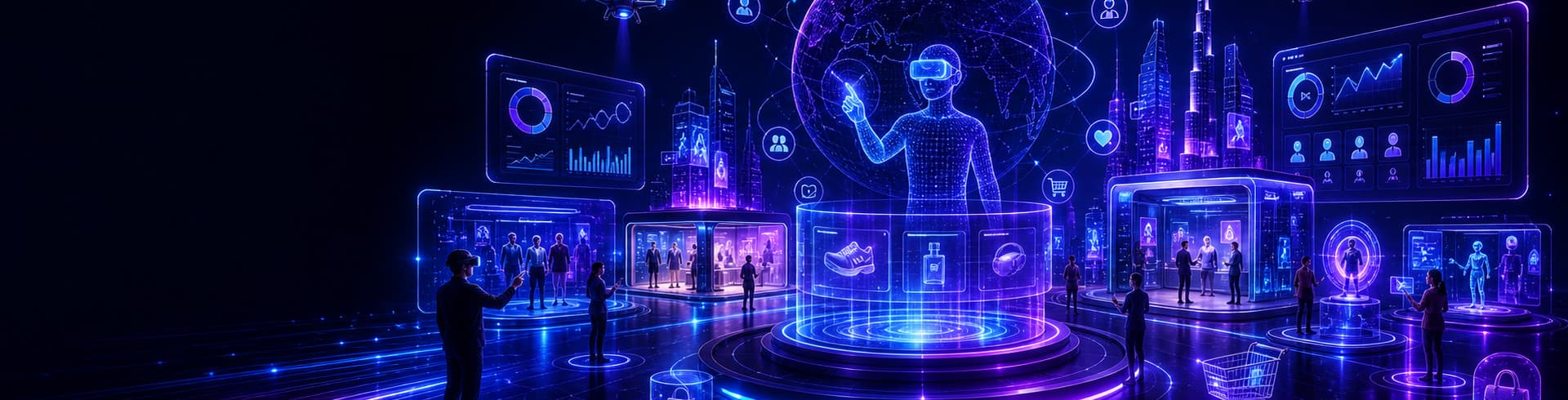


The Metaverse has captured the imagination of many, and it holds the potential to revolutionize the digital landscape as we know it. It provides immersive experiences that allow users to interact with each other and digital objects in real-time. For years, the Metaverse has been a buzzword in the gaming community, but now it’s going mainstream, with huge implications for digital marketing. So, what exactly is the Metaverse, and why should we sit up and take notice?
Defining the Metaverse
The Metaverse is a virtual 3D world that allows users to create, explore, and interact in real time. It is powered by blockchain technology, which makes it secure, transparent, and decentralized. It is also becoming increasingly popular with businesses, as it allows brands to create unique and engaging experiences for their customers. Real-time interaction between users and digital objects in the Metaverse creates an unparalleled sense of presence and immersion that traditional digital platforms cannot match. Imagine attending concerts, playing games, or even shopping for digital goods, all from the comfort of your own home.
The Metaverse is more than just a virtual playground. It’s an ecosystem that unlocks boundless possibilities for brands to engage with users. Its potential is monumental, and it’s poised to reshape the way we interact with one another and with brands. Far from being a passing trend, the Metaverse represents the future of digital marketing.
The Metaverse’s Impact on Digital Marketing
Virtual Advertising:
Metaverse has the power to revolutionize virtual advertising. Brands can create immersive experiences that showcase their products or services in ways traditional advertising simply can’t match. Here, virtual advertising becomes interactive and engaging, allowing users to experience products and services in a hands-on way. Brands gain valuable insights into consumer behavior through this medium, refining their marketing strategies accordingly.
Virtual Events:
Virtual events have been on the rise, and the Metaverse takes them to the next level. Brands can host virtual events where users interact with each other and the brand in real-time. Whether it’s a product launch, a concert, or a trade show, virtual events in the Metaverse offer a more immersive experience than traditional online events. Brands also have the opportunity to collect valuable data about their customers’ behavior during these events, enhancing their marketing efforts.
Influencer Marketing:
Influencer marketing is essential in the digital realm, and the Metaverse offers exciting new avenues for brands. Collaborating with influencers, brands can create virtual experiences that promote their products or services in captivating ways. Metaverse elevates influencer marketing by enabling more engaging and impactful experiences. Brands can let customers interact with their offerings personally, and they can gauge campaign success in real-time.
Virtual Commerce:
Virtual commerce is already a reality, and the Metaverse has the potential to elevate it further. Brands can establish virtual stores where users can shop and make purchases. This immersive shopping experience, more engaging than traditional e-commerce, could become the primary way people shop in the future. In the Metaverse, personalized and engaging virtual commerce increases the likelihood of conversions.
Virtual Education:
The Metaverse could revolutionize virtual education by providing a more immersive and engaging experience. Users can interact with educational content in a personalized and flexible manner, learning at their own pace. Furthermore, virtual real estate in the Metaverse offers unique opportunities for brands to create immersive educational experiences. Virtual classrooms and collaborative spaces can replicate real-world learning environments.
In Conclusion
The Metaverse isn’t just a concept; it represents a fundamental shift in how we engage with the digital world. Its potential to transform digital marketing is immense, offering immersive and engaging experiences that blur the lines between reality and the virtual realm. Brands that embrace the Metaverse early on stand to benefit from a more interactive and impactful digital marketing landscape. As the Metaverse gains momentum, it’s an exciting time for marketers and consumers alike, ushering in a new era of digital possibilities. Staying ahead of the curve and preparing for the opportunities the Metaverse presents is vital in this evolving digital landscape.