
Best Ecommerce Website Designs in UAE to Inspire Better Conversions



The best ecommerce website designs do more than look polished. They make it easier for customers to discover products, trust the brand, and complete a purchase with as little friction as possible. In the UAE, where mobile shopping, bilingual experiences, fast delivery expectations, and payment trust all shape buying behavior, ecommerce design has a direct impact on revenue.
In this guide, we look at standout ecommerce website design examples, what they do well, and the conversion lessons UAE businesses can apply in 2026. Whether you are planning a new online store or improving an existing one, this article will help you understand what separates a visually attractive website from one that actually sells.
Why Web Design for E-Commerce Matters
Web design for e-commerce has become purely about performance and conversion. A contemporary, modern design should address multiple factors like intuitive UX, mobile responsiveness, AI-powered personalization, and rapid loading speed. Research has shown that 75% of users judge a brand’s credibility based on website design, and even a one-second delay in page load can reduce conversion by 7%.
This matters even more in the UAE, where shoppers browse predominantly on mobile, compare brands across Instagram, marketplaces, and standalone stores within minutes, and expect Arabic/English language options, local payment methods, and same-day or next-day delivery as standard. The best ecommerce website designs of 2026 are built not only for aesthetics but for performance and conversion: smart navigation, strong product storytelling, and frictionless checkout flows that increase engagement and retention. As competition intensifies across Dubai and the wider GCC, ecommerce web design is becoming the ultimate differentiator — shaping not only how users shop but how they feel about your brand.
The Design Trends Defining E-Commerce in 2026 and Beyond
As we move towards a more immersive, personalized, and efficient digital shopping experience, ecommerce design is transforming to match. The key trends shaping this shift — globally and across the UAE — include:
- AI-Powered Personalization: Artificial intelligence now powers ecommerce platforms to dynamically adjust every stage of the user experience — homepage content, navigation flow, product visibility, bundling, and pricing — based on user behavior and contextual signals. This reduces friction, boosts conversion, and increases customer lifetime value through automated relevance.
- Voice Commerce Becomes a Primary Transaction Channel: With smart assistants moving from search tools to transactional interfaces, customers now expect to place orders, find deals, and complete purchases using voice alone. This enhances accessibility and shortens the shopping process.
- Augmented Reality as a Default Product Experience: AR is becoming a must-have for ecommerce categories where size, placement, and visual compatibility matter. Customers can preview items in their own space before purchasing, increasing purchase confidence and reducing returns — a significant cost factor for UAE retailers offering free returns.
- Sustainability Transparency: Consumers increasingly seek clear data on sustainability and sourcing. Ecommerce platforms are responding with information on carbon footprints, fabric origins, and factory conditions, letting customers filter by sustainability attributes and choose eco-friendly shipping options.
- Hyperlocal Fulfillment: Same-day delivery is becoming the norm, relying on local inventory and automated fulfillment systems. This reduces logistics costs and lowers cart abandonment through reliability — particularly relevant in dense urban markets like Dubai and Abu Dhabi, where delivery speed is a core buying criterion.
Most of the best ecommerce website designs share a common foundation: personalization, sustainability, and seamless user experiences. Every project by Element8 aligns with advanced web design trends — from minimal layouts and motion-driven storytelling to immersive product displays that keep users engaged and inspire conversions.
Top 10 Global E-Commerce Website Designs of 2026
The following examples of ecommerce web design from around the world show how design and technology blend to create simple, personalized, future-ready shopping experiences. They also illustrate the leading ecommerce design trends of 2026 and beyond, from immersive storytelling to AI-driven shopping journeys. Let’s look at the best ecommerce website designs across the globe that are redefining digital shopping in 2026.
- Allbirds: Sustainable Simplicity in Action
Allbirds champions eco-friendly minimalism — a clean layout, soft neutral palettes, and ample white space. The design focuses on storytelling and transparency by integrating sustainability badges and carbon footprint tracing. Its mobile-first structure ensures effortless navigation, while micro-interactions elevate the browsing experience. Key features that make it stand out: eco-conscious design, minimal UI, transparent sustainability messaging, and a responsive product grid. - Apple: Immersive Visual Storytelling
Apple’s online store sets the benchmark for immersive ecommerce storytelling. With bold imagery, fluid animations, and clear product videos, Apple builds emotional engagement before purchase. AI personalization tailors the shopping experience by tracking product interests. Key features: high-definition visuals, video storytelling, AI-driven recommendations, and elegant micro-interactions. - Gymshark: Community-Driven Commerce
Gymshark’s design principle is community engagement, blending social integration with contemporary, high-contrast aesthetics. The dynamic homepage surfaces real user content and live events, aligning perfectly with the brand’s fitness ethos. Key features: UGC integration, dynamic visuals, responsive grid, and motivational storytelling. - Kylie Cosmetics: Personalized Luxury
The website exemplifies luxury minimalism and personalized UX. AI tools suggest shades based on your preferences, while AR-enabled “try-on” features bridge the digital and physical gap. A smooth checkout flow enhances conversion. AR virtual try-on, AI-based recommendations, high-quality product imagery, and one-click checkout are the key features that make Kylie Cosmetics a global reference in ecommerce design. - Burrow: Interactive Furniture Shopping
Burrow is reshaping furniture ecommerce with AR-powered previews and an intelligent configurator that visualizes furniture in real spaces. The site’s clean interface emphasizes comfort, with dynamic visuals and customization sliders that genuinely enhance engagement. - Nike: Hyper-Personalized Shopping Experience
Nike’s online store uses AI-driven personalization to deliver customized product recommendations, exclusive member content, and localized offers. The design is bold yet minimal, focusing on movement, energy, and adaptive visuals. AI personalization, localized UX, micro-animations, and mobile-first layouts are among the site’s strongest features. - Glossier: Conversational and Humanized Design
Glossier’s design embraces a human-centered shopping journey, using conversational microcopy, pastel color palettes, and authentic photography. Its layout feels approachable yet premium, with simplified navigation building user trust. Key features include minimal aesthetics, human tone, micro-interactions, and community-driven content. - Patagonia: Ethical Storytelling at Its Core
Patagonia integrates ethical storytelling into all its design elements. Rich visuals of nature, interactive sustainability sections, and transparent sourcing narratives make the website both inspiring and effective. Story-driven content, eco-focused imagery, transparent design, and environmental calls-to-action define the experience. - Casper: Sleep-Focused Digital Comfort
Casper’s ecommerce website uses calming colors, soft animations, and a friendly UI to reflect its essence of comfort. Its AI chat assistant helps customers find ideal products based on sleep habits and preferences. Highlighted features include an AI product assistant, calming color palette, minimalist UX, and clear CTA hierarchy. - Sephora: Smart Omni-Channel Integration
Sephora’s online platform closes the gap between digital and in-store experiences with advanced personalization and AR makeup testing. Its data-driven design ensures consistent branding across mobile, desktop, and physical touchpoints. Key features include AR try-on, AI personalization, seamless omnichannel UX, and data-backed recommendations.
Collectively, these examples show that the best ecommerce website designs emphasize personalization, ethical storytelling, speed, and interactivity. Whether through AI-powered UX, sustainable storytelling, or immersive AR experiences, these brands prove that ecommerce design trends in 2026 and beyond are not just about aesthetics — they are about connection, relevance, and measurable performance.
Top 10 E-Commerce Website Designs by Element8 That Set the Standard in the UAE
Global inspiration is useful, but UAE shoppers have their own expectations — bilingual experiences, local payment options, and fast, trustworthy delivery. Here are ten ecommerce projects designed by Element8 for brands in the UAE and the wider region that define excellence in user experience, performance, and aesthetics.
- Garmin
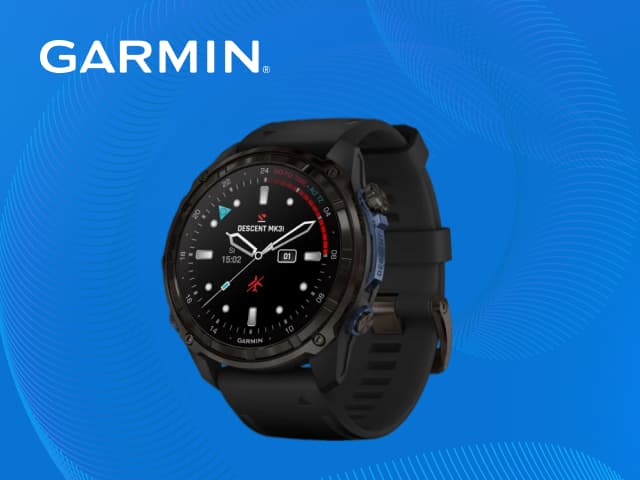
Garmin’s e-commerce platform provides a clean, data-driven design that emphasizes product clarity and interactive product exploration. Every section is structured to support high user intent, with fast loading times and intuitive filters enhancing usability. - Hisense
The Hisense platform integrates minimalist design with high-end visuals, offering users an immersive journey through product categories. The sleek UI and optimized navigation reflect Hisense’s innovative brand identity. - Reem Prive
Reem Prive is a strong example of how luxury ecommerce should be done. Its elegant interface, refined typography, and immersive imagery convey brand exclusivity while maintaining a frictionless checkout experience. - Spectra
The Spectra website features advanced filtering, bold product visuals, and an effortless UX designed for high conversion and speed optimization. - Maintive
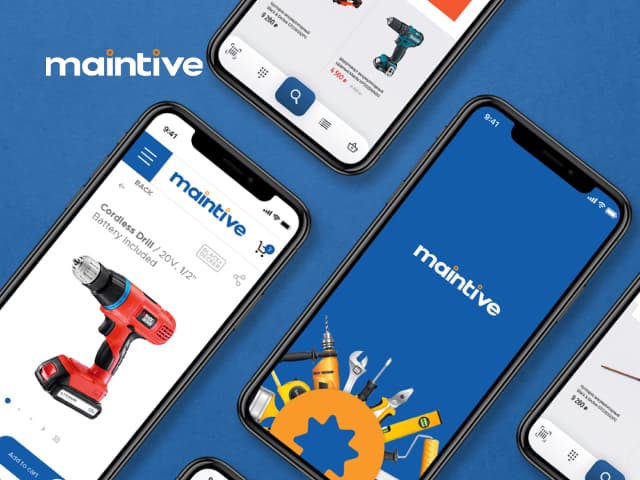
An ecommerce experience built for professionals, Maintive’s platform uses strong product categorization and AI-driven performance enhancements for reliability and efficiency. - Jays Cakes
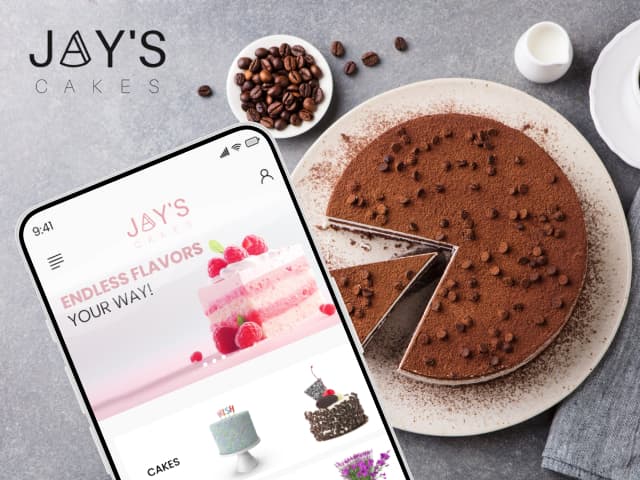
With delightful visual and functional design, interactive menus, customized ordering, and vibrant photography, Jay’s Cakes perfectly illustrates how storytelling and design drive online engagement for a homegrown UAE brand. - Oserth
With an elegant combination of artistry and usability, Oserth’s layout emphasizes handcrafted products through rich visuals and an organic UX flow that syncs with its brand ethos. - Gerbou
Gerbou expresses local Emirati heritage through a modern, contemporary design, blending earthy tones, minimalist grids, and powerful brand storytelling — all optimized for mobile shopping. - Ritver
Ritver balances technical depth with design simplicity, offering intuitive navigation across a wide range of product categories while maintaining visual appeal. - BSH
BSH is a strong example of how design and technology should be integrated. The platform uses smart architecture and AI-enhanced search to simplify the product discovery journey.
These examples show that Element8 not only embraces global ecommerce design trends but leads regional digital transformation with design precision, UX excellence, and performance-driven results — the same discipline we bring to every engagement as a web design agency in Dubai.
To explore design innovation further, see Element8’s insight on the Top Web Design Trends shaping the digital world.
How to Design an E-Commerce Website That Converts
Visual appeal alone does not make a successful ecommerce website; it is built on a foundation of strategy, psychology, and effortless functionality. Here is how you can design an ecommerce platform that attracts, engages, and converts — with UAE-specific considerations built in.
- Understand Your Audience: Use AI-driven analytics to understand customer journeys, demographics, and behavior. In the UAE, that often means designing for a multilingual, multicultural audience — personalize layouts and product suggestions accordingly.
- Simplify Navigation: Design intuitive menus, mega dropdowns, and sticky navigation bars that make exploration effortless on both desktop and mobile.
- Optimize Product Visuals: Incorporate AR/VR product previews, 360-degree spins, and interactive zoom for immersive shopping experiences that reduce hesitation and returns.
- Speed Matters: Use lazy loading, CDN integration, and AI-powered performance monitoring to maintain lightning-fast load times — including for users on mobile networks across the Emirates.
- Add Strong CTAs: Placing contextual CTAs like “Add to Cart,” “Try in AR,” and “Buy Now” at scroll-based trigger points increases engagement.
- Integrate Social Proof: Build trust with real-time purchase notifications, UGC galleries, and genuine customer reviews — trust signals matter enormously to first-time buyers in the UAE.
- Offer Multiple Payment Options: Enhance checkout convenience with regionally popular options like Apple Pay, Tabby, and STC Pay, alongside cards and cash on delivery where it suits your market.
With these design principles combined with behavioral insights, you can turn casual browsers into loyal customers. Getting the underlying UX architecture right from day one is where an experienced UI/UX design agency earns its keep.
Need help designing a modern e-commerce website? Talk to our design experts
Shopify Website Design Ideas for 2026
Shopify remains a go-to choice for modern ecommerce brands, offering agility, scalability, and customization. By integrating AI and next-gen design tools, Shopify websites can now predict, personalize, and perform better than ever before — and the platform’s strong local payment and shipping ecosystem makes it a practical fit for many UAE stores.
Key trends shaping Shopify design:
- Personalized Homepages: AI dynamically customizes homepages based on browsing and purchase history.
- Dynamic Checkout Experiences: Smart checkouts with one-click payments, saved preferences, and address autofill lift conversion.
- Visual Storytelling: Scroll-triggered animations and immersive video banners communicate brand identity with clarity.
- Modular Templates: Drag-and-drop sections let designers test and deploy new layouts faster.
- Voice Search Optimization: Voice-enabled product discovery is one of the newest accessibility trends.
- AI Chat Integration: Shopify stores now embed AI shopping assistants that guide customers in real time.
- Sustainability Badges: Highlight eco-friendly practices to align with conscious consumer values.
Build your next Shopify website with Element8 — creative, fast, and conversion-focused.
E-Commerce Homepage Design Tips
Your homepage is your digital storefront — the first thing that determines whether a user stays or bounces. An effective ecommerce homepage educates, inspires, and drives action within seconds.
- Use Compelling Hero Banners: Feature trending products, seasonal campaigns (Ramadan, White Friday, Dubai Shopping Festival), or AI-personalized recommendations.
- Visual Hierarchy: Maintain clean typography, whitespace, and contrast to highlight key CTAs.
- Highlight Trust Elements: Add customer testimonials, secure payment icons, and return guarantees above the fold.
- Create Seamless Flows: Ensure quick access to key sections like “Shop Now,” “Collections,” and “Cart.”
- Incorporate Micro-Animations: Small interactions like hover states or product motion effects enhance engagement.
- Mobile-First Layouts: Design mobile-first to capture m-commerce growth — the dominant shopping mode in the UAE.
- AI-Powered Personalization: Use predictive analytics to display recently viewed items or location-based offers.
- Accessibility & Inclusivity: Ensure color contrast, font legibility, and screen-reader compatibility to reach a wider audience.
A well-structured homepage blends design clarity with emotional appeal — telling your brand story while guiding users toward conversion.
How to Create an Online Store That Reflects Your Brand
To create an online store that feels authentic and credible, consistency is the key element. Every visual, word, and interaction must sync with your brand’s tone and values — in both English and Arabic if you serve the full UAE market.
Start by defining your brand palette, typography, and messaging voice. Then integrate your design with intuitive UI/UX frameworks for smooth interactions. Element8’s web development expertise ensures every digital touchpoint reinforces brand recognition — from front-end polish to the integrations that keep inventory, payments, and logistics in sync.
When executed well, your ecommerce website becomes a living embodiment of your brand — a digital space where customers connect emotionally, not just transactionally.
Let’s turn your online store into a sales machine — get a free design consultation
Designing the Future of E-Commerce with Element8
As ecommerce continues to grow and shape the global economy, 2026 marks a pivot point where digital intelligence meets business strategy. The future belongs to brands that prioritize user experience, technological adaptability, and sustainability in their design philosophy.
As digital commerce transforms, innovative brands are embracing technologies like Generative AI for E-Commerce to personalize user experiences and simplify the shopping journey — a philosophy deeply rooted in Element8’s approach to design and development.
For brands scaling in the UAE, choosing the right partner for web design in Dubai is often the biggest growth lever.
We have firsthand experience of the impact a well-designed ecommerce website can have on business growth. From responsive design and Shopify development to AI-driven optimization and SEO strategy, our team crafts ecommerce solutions that inspire, engage, and deliver measurable results.
What High-Converting UAE Ecommerce Websites Do Differently
The strongest ecommerce websites in the UAE reduce uncertainty at every stage of the buying journey. They make product discovery simple, highlight delivery and returns early, support trust-building payment options, and keep the mobile experience fast enough to prevent hesitation.
- They prioritize fast mobile browsing and clear category structure.
- They surface trust signals near key conversion points.
- They make shipping, returns, and payment information easy to find.
- They support Arabic-friendly UX where the audience requires it.
- They keep checkout friction low instead of overdesigning the flow.
Conversion Review Framework for Ecommerce Design
| Area | What Good Looks Like | Why It Matters |
|---|---|---|
| Homepage clarity | Immediate value proposition, clear paths to categories, visible trust | Helps new visitors understand why they should keep browsing |
| Category UX | Logical grouping, useful filters, clean product-card hierarchy | Improves product discovery and reduces bounce risk |
| Product pages | Strong imagery, clear benefits, shipping and returns clarity, trust cues | Supports purchase confidence at the decision stage |
| Checkout | Minimal steps, transparent pricing, local payment confidence | Protects conversion rate when buyer intent is highest |
| Mobile performance | Fast rendering, readable layout, touch-friendly flow | Critical for UAE ecommerce audiences browsing on mobile |
Common Ecommerce Design Mistakes That Hurt Sales
Many stores lose conversions because the design focuses on visuals but neglects buying friction. Cluttered homepages, weak product-page hierarchy, hidden delivery details, and slow mobile performance all make revenue harder to win.
If you are planning a redesign, compare this guide with our related resources on website design cost in Dubai, ecommerce CMS platform choices, and payment gateways in the UAE so the design, platform, and checkout decisions work together.
FAQs
What makes the best ecommerce website designs in 2026?
Speed, intuitive UX, AI-driven personalization, and visual storytelling — all optimized for mobile-first performance. The best designs also build trust quickly with clear pricing, reviews, secure payment badges, and a checkout that takes as few steps as possible.
How does a Shopify website design improve conversions?
Shopify simplifies the user journey with fast checkouts, secure payment integrations, and flexible, conversion-tested templates. Combined with AI-powered recommendations and one-click payment options popular in the UAE, a well-designed Shopify store reduces friction at every step from product page to purchase.
Is ecommerce homepage design important for a brand’s success?
Yes — the homepage is your first impression. It needs to establish trust within seconds and guide users towards key actions like browsing collections, adding to cart, or purchasing. Strong visual hierarchy, trust signals, and fast load times are the essentials.
What is the estimated cost to design an ecommerce website in the UAE?
The cost of designing an ecommerce website in the UAE varies with features, scale, and customization requirements. On average, it ranges between AED 15,000 and AED 80,000+, depending on complexity, integrations, and the platform you choose, such as WooCommerce or Shopify.
How can I improve my ecommerce website’s user experience and sales?
Focus on simplified navigation, optimized product visuals, trust signals, and personalized recommendations. Incorporating data-driven design and AI-powered UX helps create a tailored journey for every shopper — and regular testing of your checkout flow usually surfaces the fastest wins.
If you are ready to build one of the best ecommerce website designs in the UAE, Element8’s Dubai team is happy to review your current store or brief and share what we would do differently — book a consultation.
What a Conversion-Ready Ecommerce Redesign Should Include
The best redesigns make the buying path clearer, not just prettier. That means stronger category hierarchy, better product-page structure, clearer delivery and returns messaging, and a checkout flow that feels trustworthy on mobile.
- Clear category and product discovery.
- Strong trust signals near the point of purchase.
- Visible shipping, returns, and payment clarity.
- Mobile-first layout decisions that reduce friction.
If you are comparing ecommerce concepts, connect this guide with our broader web strategy resources and speak with Element8 before finalizing the build brief.