
B2B vs B2C Website Design: Key Differences & Best Practices


B2B vs B2C website design comes down to one core difference: B2B websites are built for logic-driven, multi-stakeholder decisions made over weeks or months, while B2C websites are built for fast, emotion-led decisions made by individuals in minutes. That single difference shapes everything else — UX, content depth, CTAs, pricing transparency, and how trust is established on the page.
Businesses today don’t compete on products or services alone—they compete on digital experiences. Whether your organization serves enterprise clients or individual consumers, your website must align with how your audience researches, evaluates, and ultimately makes purchasing decisions. A website strategy that works for a B2C ecommerce brand rarely delivers the same results for an enterprise B2B organization.
The challenge isn’t simply understanding the difference between B2B and B2C website design. Enterprise organizations must also consider longer buying cycles, multiple stakeholders, procurement processes, system integrations, compliance requirements, and long-term scalability. These factors fundamentally shape how digital experiences should be planned, designed, and optimized.
In this guide, we’ll explore the strategic differences between B2B and B2C website design, examine how buyer behaviour influences user experience and conversion, and share best practices, real-world examples — including UAE enterprise projects — and practical insights to help organizations build websites that support measurable business growth.
Ready to build a website that delivers measurable business outcomes? Partner with Element8 to create enterprise-grade digital experiences designed for growth.
Why Enterprise B2B and Consumer Websites Require Different Digital Strategies
At a strategic level, the difference between B2B and B2C website design is driven by buyer behavior, not visuals. Each model reflects a distinct decision-making mindset shaped by risk, trust, and buying intent.
B2B website design supports logic-driven decisions made over time. It addresses multiple stakeholders, emphasizes long-term value, and focuses on building credibility and reducing risk rather than pushing immediate action.
In contrast, B2C website design prioritizes emotion, speed, and convenience. It speaks directly to individual buyers, encourages fast decisions, and removes friction to deliver instant satisfaction.
These opposing principles explain why logic-based trust in B2B competes with emotion-led engagement in B2C, and why a one-size-fits-all website approach often fails to convert effectively.

Core Differences Between B2B and B2C Website Design
1. Audience Intent & Decision-Making
B2B website design speaks to:
- Procurement teams
- Founders, CEOs, department heads
- Users researching on behalf of an organization
Decisions are deliberate, often high-risk, and validated through logic, proof, and credibility. For example, Element8’s work for Borr Drilling reflects this mindset: clear service articulation, operational credibility, and industry authority over visual flair.
B2C website design, on the other hand:
- Targets individuals
- Caters to personal needs, wants, and aspirations
- Leans heavily on emotional triggers
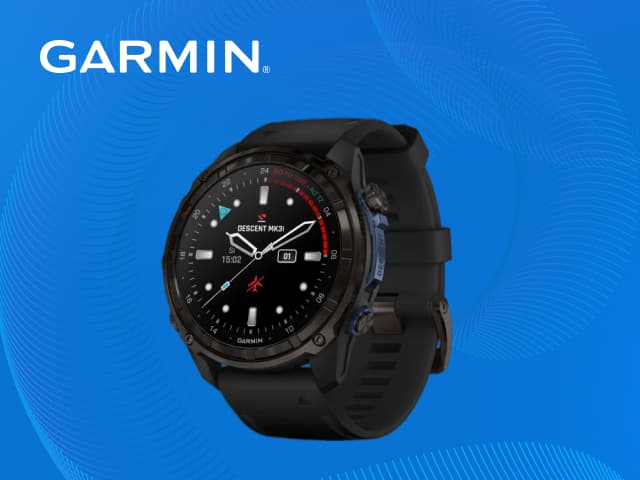
In Element8’s Dukkaan and Garmin projects, design choices mostly emphasized immediacy, product clarity, and intuitive navigation, minimizing friction from discovery to purchase.
2. Sales Cycle & Conversion Expectations
B2B websites support long sales cycles, often spanning weeks or months. Their role is not to “close” but to:
- Educate
- Build trust
- Capture qualified leads
This is evident in enterprise and government-led UAE projects like Saadiyat and Mirfa, where website experience supported ongoing stakeholder engagement rather than instant conversion.
B2C websites are optimized for short cycles, where:
- Users expect instant value
- Decisions happen within minutes.
- Conversion paths must be obvious and fast.
Speed, clarity, and minimal steps are essential; anything else increases drop-offs.
3. UX & UI Philosophy
According to recent research, usability success depends on matching interface complexity with user motivation. Modern B2B website UX design prioritizes clarity and credibility, while B2C web design focuses on emotional engagement, speed, and visual storytelling. This distinction between B2B and B2C website UX design is rooted in cognitive load theory, where motivation determines how much complexity a user is willing to process — the kind of decision a specialist UI/UX design agency makes deliberately, not by default.
B2B UX/UI design trends lean toward:
- Structured layouts
- Clear information hierarchy
- Functional, credibility-driven visuals
Element8 applies this principle across B2B builds like Chestertons, SN Axis, and Green Riyadh, where usability and clarity outweigh aesthetic experimentation.
B2C UX/UI design best practices focus on:
- Visual storytelling
- Bold typography and imagery
- Emotion-led micro-interactions
The Garmin website experience, for instance, relies on strong visual cues and intuitive flows to guide users quickly toward products.
4. CTAs: What You Ask Users to Do
B2B CTAs are commitment-light but intent-heavy:
- “Request a proposal.”
- “Schedule a consultation.”
- “Download the brochure.”
They signal the start of a relationship, not the end of a transaction.
B2C CTAs are action-driven:
- “Buy now”
- “Add to cart.”
- “Get started today.”
Their success depends on urgency and simplicity.
5. Pricing Transparency
B2B website design often avoids fixed pricing because:
- Services are customized
- Value varies by scope.
- Negotiation is expected
This is common across Element8’s B2B portfolio, including Tajchem, Tamleek, and Pinnacle Commodities, where the focus is on value articulation rather than price display.
B2C websites, by contrast:
- Must display pricing upfront
- Reduce friction and uncertainty.
- Enable quick comparisons
Hidden pricing in B2C contexts almost always hurts conversion.
6. Buyer Psychology & Trust Signals
B2B buyers look for risk reduction, driven by:
- Case studies
- Certifications
- Industry expertise
- Proven track record
That’s why Element8 integrates credibility cues naturally across enterprise platforms—logos, metrics, testimonials, and project outcomes woven into the experience.
B2C buyers seek reassurance, often through:
- Reviews and ratings
- Social proof
- Guarantees and returns
Emotion drives the decision, but trust closes it.
7. Content Depth & Information Architecture
B2B website design requires depth:
- Long-form pages
- Detailed service explanations
- Whitepapers, insights, and resources
This aligns with IMD and Trendemon insights—B2B users consume more content before converting.
B2C websites prioritize brevity:
- Scannable copy
- Visual-first communication
- Minimal cognitive load
The difference isn’t quality, it’s consumption behavior.
Why Enterprise Organizations Cannot Apply Consumer Website Strategies
Enterprise organizations face fundamentally different challenges than consumer-focused businesses. While consumer websites are often optimized for immediate action, enterprise websites must support longer buying cycles, multiple decision-makers, and higher levels of operational complexity.
Multiple Stakeholders Influence Decisions
Enterprise purchasing decisions often involve marketing teams, procurement departments, IT leaders, finance stakeholders, legal teams, and executive leadership. A website must provide sufficient information and credibility signals for each audience.
Procurement and Vendor Evaluation
Enterprise buyers rarely make decisions after a single visit. They compare vendors, review case studies, evaluate technical capabilities, and assess long-term support models before initiating conversations.
Compliance and Governance Requirements
Organizations operating in regulated industries such as finance, healthcare, utilities, and government must consider accessibility, data privacy, cybersecurity, and industry-specific compliance requirements when designing digital experiences. In the UAE, that increasingly includes alignment with data protection expectations such as the PDPL for platforms handling customer data.
Integration and Operational Complexity
Enterprise websites frequently connect with CRM platforms, ERP systems, marketing automation tools, analytics platforms, and customer portals. Design decisions must account for these integrations from the beginning.
Scalability for Future Growth
As organizations expand across regions, languages, and business units, websites must support larger content ecosystems and evolving operational requirements without requiring complete redevelopment.
B2B Website Design: What Matters Most
B2B website design is driven by intent, not impulse. Visitors arrive with questions, risk considerations, and internal stakeholders to convince. The design should support decision-making over time and balance clarity, credibility, and conversion without rushing the user.
1. Messaging for Multiple Stakeholders
A B2B website rarely speaks to just a single person. It should resonate with decision-makers, influencers, and evaluators, often simultaneously.
Effective B2B messaging:
- Speaks to business outcomes, not just features
- Balances strategic value (for leadership) with operational clarity (for teams)
- Uses modular content that different stakeholders can scan independently
This is why high-performing B2B platforms avoid generic taglines and instead anchor messaging around industry context, challenges, and measurable impact.
2. Trust & Credibility Layers
In B2B, trust isn’t assumed; it’s designed.
High-converting B2B websites layer credibility throughout the journey using:
- Case studies and real-world outcomes
- Client logos and recognizable brand associations
- Certifications, compliance standards, and security signals
- Industry-specific pages that show domain expertise
3. UX for Research-Heavy Journeys
B2B users don’t skim; they investigate.
The UX must support deep exploration without friction:
- Clear, predictable navigation
- Resource hubs for insights, guides, and case studies
- Filters, comparison pages, and structured content hierarchies
At the same time, conversion shouldn’t disappear. A persistent “Book a call” or “Request a demo” CTA ensures that when intent peaks, action is always within reach—without interrupting research.
4. Lead Capture Design Patterns
B2B conversion is about quality, not volume.
Effective lead capture design:
- Avoids aggressive pop-ups that disrupt research
- Uses progressive forms aligned to user intent
- Matches form length to perceived value (e.g., demo vs brochure)
Well-designed B2B websites treat lead capture as a natural next step, not a forced interruption—guiding users forward only when readiness is clear.
5. Responsive + Performance Expectations
A fast, responsive B2B website design is critical today, as early-stage B2B discovery increasingly happens on mobile devices and tablets.
That means:
- Mobile-first layouts are non-negotiable
- Fast load times directly affect trust and engagement.
- Performance optimization supports both UX and SEO.
A slow or clunky experience doesn’t just frustrate users—it quietly signals operational inefficiency.
Planning an enterprise website redesign in the UAE or GCC? Element8 designs and develops enterprise-grade digital experiences that support complex buyer journeys, stakeholder engagement, and long-term business growth.
B2C Website Design: What Matters Most
B2C web design is developed around emotion, speed, and immediacy. Visitors do not arrive to study; they are here to feel, decide, and act. The design’s role is to remove friction, amplify desire, and make conversion feel effortless.
1. Emotion + Visual Persuasion
In the B2C journey, visual appeal directly influences purchase intention, a point consistently reinforced by UX researchers.
High-performing B2C websites use:
- Lifestyle imagery that shows the product in real-world use
- A strong, consistent brand personality across pages
- Social proof positioned close to products, not hidden away
The main goal is not to decorate but to emotionally validate. When users see themselves using the product, hesitations drop.
2. Fast Path to Conversion
Unlike B2B, B2C websites should assume short attention spans and instant intent.
Design choices that accelerate conversion include:
- Short, simplified navigation paths
- Bold, high-contrast CTAs that stand out visually
- Sticky “Add to Cart” or “Buy Now” actions on key pages
Quick decision-support elements are equally critical:
- Visible reviews and ratings
- Clear shipping timelines
- Transparent return and refund guarantees
Together, these elements answer the buyer’s silent question: “Can I buy this right now without risk?”
3. E-commerce UX Expectations
In 2026 and beyond, e-commerce UX expectations are no longer optional; they are baseline. Brands looking to benchmark their experience against proven patterns can explore these top eCommerce website designs, which showcase how speed, clarity, and UX precision directly impact conversion. In competitive markets, e-commerce website design for B2C must balance speed, trust signals, and simplicity to reduce cart abandonment and improve checkout conversion rates. Recent studies show that leading UI/UX studios consistently prioritize:
- Powerful on-site search with smart filters
- Clean, intuitive category structures
- Frictionless checkout with minimal steps
Key performance drivers include:
- Fast page speed across all devices
- Prominent trust badges and payment security cues
- Mobile-optimized carts and one-hand usability
- Lightweight personalization that enhances—not complicates—the journey
Any friction here directly impacts revenue.
4. Personalization & Retention Hooks
Conversion is only the beginning in B2C.
High-performing B2C websites are designed to retain and re-engage, using:
- Personalized product recommendations
- Smart bundles and cross-sell prompts
- Loyalty cues such as rewards, memberships, or limited-time offers
These elements subtly increase lifetime value without overwhelming first-time buyers.
Whether you’re serving enterprise buyers, consumers, or both, Element8 helps organizations create digital experiences that improve engagement, conversion performance, and operational efficiency.
Enterprise Website Requirements in 2026
While design trends evolve every year, enterprise organizations should prioritize capabilities that support long-term business performance rather than short-term visual changes.
Headless and Composable Architectures
Organizations increasingly require flexible digital ecosystems that allow content, commerce, and customer experiences to evolve independently. Headless architectures provide greater scalability, performance, and integration flexibility.
CRM and Business System Integrations
Modern websites must connect seamlessly with CRM platforms, ERP systems, marketing automation tools, and customer service platforms to create unified customer journeys.
Performance and Core Web Vitals
Website speed remains a critical ranking factor and user experience requirement. Fast-loading websites improve engagement, conversion rates, and search visibility.
Accessibility and Inclusive Design
Accessibility is becoming a baseline requirement rather than an optional enhancement. Enterprise organizations must ensure digital experiences are usable across different devices, abilities, and user contexts.
Security and Compliance
Security-first development practices, data privacy controls, and compliance frameworks are increasingly important across regulated industries.
Multi-Language and Regional Experiences
Organizations operating across the GCC often require multilingual content strategies, localized user experiences, and region-specific content governance.
B2B vs B2C Website Examples
To satisfy both “examples” and “templates” intent, the goal here is not about inspiration alone; it is about pattern recognition. These examples show repeatable design behaviors you can adapt, not visuals to blindly follow.
B2B Website Examples
- Salesforce: Clear value-led headlines, strong industry segmentation, and trust-heavy CTAs. Proof like logos, stats, and case studies sits closer to conversion points, reducing friction for enterprise buyers.
- HubSpot: Product-led structure with educational depth. This site balances content, tools, and demos easily by guiding users from awareness to action without feeling sales-driven.
- Stripe: Minimalist UX with extreme clarity. Complex products are explained through clean layouts, progressive disclosure, and developer-first documentation.
- IBM: Authority-driven storytelling. The website uses blog messaging, research-backed insights, and industry-specific pathways to speak to multiple stakeholders at once.
In the UAE, the same B2B patterns apply across the sectors Element8 works in — from energy platforms like Borr Drilling to government-led destination projects such as Saadiyat and Mirfa, and property-sector brands like Chestertons and Tamleek — where proof placement, structured navigation, and intent-led CTAs matter more than visual novelty.
B2C Website Examples
- Nike: Emotion-led storytelling with lifestyle imagery, bold typography, and product pages engineered for fast, confident purchase decisions.
- Amazon: Ruthless friction removal — powerful search, visible reviews, transparent delivery timelines, and a checkout optimized down to a single click.
- Airbnb: Visual-first discovery, trust built through ratings and host profiles, and a booking flow that keeps momentum from inspiration to confirmation.
Enterprise Industry Examples
Financial Services
Financial institutions require secure customer journeys, accessibility compliance, robust governance frameworks, and seamless integration with internal systems.
Healthcare
Healthcare organizations must balance patient experience with privacy requirements, compliance obligations, and operational efficiency.
Real Estate Developers
Enterprise real estate websites require sophisticated property management systems, CRM integrations, multilingual capabilities, and lead qualification workflows — a pattern we see constantly across UAE developer and brokerage platforms.
Government and Semi-Government Organizations
Public-sector digital platforms prioritize accessibility, governance, security, and stakeholder engagement across large audiences.
How to Use These Examples Correctly
- B2B: Copy the structure, not the surface — messaging hierarchy, proof placement, and intent-driven CTAs.
- B2C: Copy the flow, not the visuals — homepage persuasion, product clarity, and checkout simplicity.
B2B Website Design Best Practices
Use this checklist if your goal is qualified leads, longer sales cycles, and multi-stakeholder trust.
- Clear ICP messaging above the fold
- Proof stacked near key CTAs
- Funnel-aligned navigation
- Lead magnets with nurture paths
- Strong speed + mobile UX
B2C Website Design Best Practices
Use this checklist if your goal is faster decisions, higher cart conversions, and repeat purchases.
- Visual hierarchy toward product and action
- 3-click path to category or product
- Reviews, shipping, and returns are visible early
- Guest checkout + multiple payment options
- Retention-focused UX
How to Design a Website That Works for Both B2B and B2C Audiences
Designing for both B2B and B2C is not about compromise; it is about early intent separation with consistent branding. High-performance hybrid websites can guide users into the right journey quickly, then optimize each path based on how the audience evaluates trust and converts.
A hybrid website approach is essential when you serve multiple buyer types, like wholesale and DTC customers, SaaS platforms with varied tiers, a marketplace, or industries like fintech, healthcare, and proptech. If your users ask both “What is the price?” and “Can this scale for my organization?”, a hybrid strategy is critical.

What Makes a Hybrid Model Work
Successful hybrid websites follow a few core principles:
- Segment entry points early using clear navigation or homepage CTAs like “For Businesses” and “For Individuals” to route intent without overwhelming users.
- Layer the value proposition, keeping one core brand promise while tailoring benefits to business outcomes (ROI, scalability) and consumer needs (speed, ease, value).
- Create distinct journeys, with B2B paths focused on solutions, proof, and lead-driven CTAs, and B2C paths optimized for products, offers, and fast checkout.
- Adapt CTAs by intent, ensuring users see actions that match their readiness—Book a Demo for B2B, Buy Now, or Start Trial for B2C.
- Share a unified trust layer, including testimonials, case studies, certifications, and consistent UI, so credibility carries across both experiences.
From Element8’s perspective, hybrid websites fail when they try to serve everyone with the same experience. Hybrid success comes from intent-led UX, structured information architecture, and conversion-first design decisions, resulting in one website with two clear journeys and zero confusion.
Design That Aligns With How Buyers Decide
The most effective websites are not built around design trends—they are built around how people evaluate trust, consume information, and make decisions.
While B2C websites typically prioritize speed, convenience, and emotional engagement, enterprise B2B websites must support longer buying cycles, multiple stakeholders, procurement processes, and complex business requirements. Understanding these differences is essential for creating digital experiences that deliver measurable business outcomes.
For organizations operating across the UAE and GCC, website strategy should extend beyond visual design to include governance, scalability, integrations, performance, accessibility, and long-term growth objectives.
At Element8, we help organizations design and develop enterprise-grade websites that align user experience with business strategy. From corporate website redesigns and headless CMS implementations to large-scale digital experience platforms, our focus is on building websites that support real business outcomes—not just traffic and aesthetics.
Ready to modernize your digital experience? Speak with the Element8 team in Dubai about your next website transformation project.
FAQs
What is the difference between a B2B and a B2C website?
B2B websites serve businesses and support complex buying decisions; they mostly involve multiple stakeholders, detailed information, and a long decision cycle. On the other hand, a B2C website is for individual consumers who make faster, emotion-driven decisions and expect quick access to products and services.
What does B2B design mean?
B2B design means designing digital experiences for business buyers rather than individual consumers. In practice, it prioritizes credibility, detailed information, stakeholder-specific messaging, and lead-generation journeys over impulse-driven conversion, because purchase decisions are evaluated by teams and justified with logic, proof, and ROI.
How much does a B2B or B2C website cost in the UAE?
Website costs in the UAE vary based on complexity, integrations, content depth, and conversion requirements. At Element8, projects are scoped based on business goals rather than fixed templates, ensuring flexibility and transparency.
What are the most common reasons technical buyers leave a B2B website without converting?
The usual culprits are vague service descriptions, missing technical detail or documentation, weak proof (no case studies, certifications, or client logos), everything gated behind long forms, slow page performance, and CTAs that demand too much commitment too early. Technical buyers want to self-serve their research before speaking to sales.
Does a B2B website need more research content and resources than a B2C site?
B2B buyers research extensively before converting. They need in-depth product and service explanations, case studies, reports, and validation to justify their decisions. This longer, logic-driven journey requires rich content and resources. B2C sites, on the other hand, prioritize brevity and visual appeal because consumers typically make decisions quickly.
Should a B2B website show its pricing like a B2C site?
Not always. As B2B offerings are usually customized and negotiated, pricing may not be shown upfront. Instead, B2B websites focus on value and ROI, supported by consultation-oriented CTAs.
What is the role of personalization in B2B vs B2C websites?
Personalization in B2B is more focused on relevant industry content, role-based messaging, and customized resources to aid decision-making for different stakeholders. B2C uses personalization around product recommendations and adaptive shopping experiences, which can boost conversion and average order value.
Can a hybrid B2B/B2C website work effectively without confusing users?
Yes, if it is designed with clear intention. Effective hybrid sites route users into the right journey early — for businesses vs for individuals. Once segmented, each path should offer purpose-specific content, CTAs, and UX flow to avoid confusion and improve conversion.